When teams need steadiness
Team coaching supports leadership teams when collaboration, trust, and alignment matter most. It creates space to slow patterns, address what gets in the way, and work together with greater clarity and confidence.

When team coaching tends to matter most
Team coaching becomes most valuable when the way people are working together begins to limit progress, even when talent and effort are high.
These are moments where alignment, trust, and shared responsibility matter more than individual performance.
When collaboration breaks down
Silos, misalignment, or unspoken tension begin to slow decisions and affect results.
When trust feels uneven
People hesitate to speak openly, challenge ideas, or take shared ownership.
When growth creates strain
The team has expanded, shifted, or taken on more complexity, but ways of working have not kept pace.
When accountability feels personal instead of shared
Responsibility lands on individuals rather than being held collectively.
Every team arrives with a different mix of dynamics. The work begins by meeting the group exactly where it is.
What the work feels like
At the start
Teams often arrive with visible issues and deeper patterns beneath them. There may be frustration, fatigue, or a sense that progress requires more effort than it should.
In the work
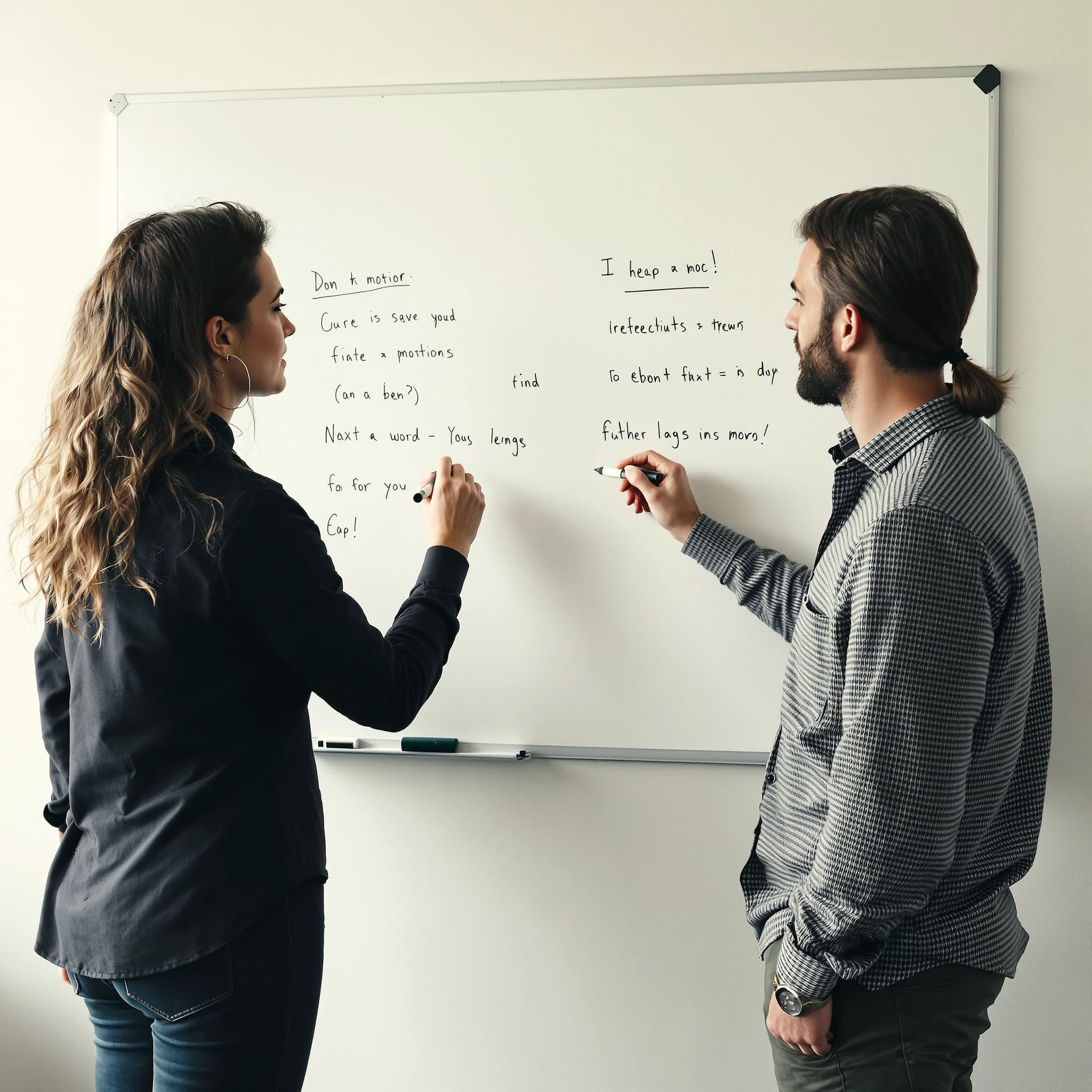
We slow interactions down enough to notice what is happening in real time.
Teams practice clearer communication, address breakdowns earlier, and rebuild trust through shared experience.
Over time
Conversations become more direct. Accountability becomes collective. The team develops a steadiness that supports performance, morale, and follow-through.
What to expect from the coaching
Grounded in real team dynamics
We begin by understanding how the team currently functions, including patterns of communication, decision-making, and trust that show up in day-to-day work.
Interactive and practical
Sessions focus on real conversations and situations the team is facing, not abstract concepts or one-size-fits-all frameworks.
Built for shared ownership
The work strengthens the team's ability to notice breakdowns early, address them together, and hold responsibility collectively rather than individually.

Common outcomes teams experience
Clearer communication across roles and functions
Greater trust and psychological safety
Stronger shared accountability and ownership
More consistent collaboration and follow-through
Improved morale and engagement
Faster alignment around priorities
A steadier, more resilient response to change
Who this work tends to support
This work supports leadership teams who know they are capable of more, but feel constrained by patterns that are difficult to name or shift.
This is a strong fit if you are:
- Navigating growth, transition, or increased complexity
- Experiencing friction, misalignment, or uneven trust
- Working across functions where collaboration directly affects outcomes
- Ready to address group dynamics, not just surface-level issues
Team coaching is especially valuable when progress depends not on individual performance, but on how the team thinks, decides, and acts together.
This work is not about fixing people. It is about strengthening how the team functions as a whole so accountability, trust, and results can hold over time.
A conversation with Charlene
If you are considering team coaching, the first step is a conversation.
This is a 45-minute, confidential space to talk through what your team is facing, how the dynamics are showing up, and what kind of support might be most useful right now. We explore the context you are working in and whether working together feels like the right fit for your team.
This conversation is not about diagnosing or fixing people. It is about gaining clarity on what is happening beneath the surface and what would support healthier collaboration, shared accountability, and steadier performance over time.